Losing weight with medical supervision: the honest guide to real weight loss
Losing weight with medical supervision means treating weight for what it is: a health problem with physiological causes. A doctor identifies what's stopping your weight loss (hormones, medications, sleep, previous diets), rules out diseases, and if appropriate, prescribes and supervises a safe treatment. This way you lose weight sustainably without regaining it.
Why losing weight through diet alone doesn't work
When your weight doesn't respond to the usual efforts, there is almost always a physiological cause that no diet can fix on its own: insulin resistance, hypothyroidism, sleep deprivation, elevated cortisol or a metabolism that has adapted after years of calorie restriction. Identifying that cause —and treating it— is exactly what medical supervision does.
GLP‑1 analogues (semaglutide such as Ozempic or Wegovy; tirzepatide such as Mounjaro) have shown in clinical trials weight loss of between 10% and 22% of body weight. But they are prescription medicines that require a prior medical assessment, follow-up and dose adjustment. Using them without supervision is risky and illegal.
Everything you need to know about losing weight with medical help

Why can't I lose weight
If you can't lose weight despite your efforts, it's almost never due to lack of willpower. There are usually physiological causes: insulin resistance, hypothyroidism, sleep deprivation, chronic stress, certain medications, or a metabolism adapted after years of dieting. Identifying the real cause with a doctor is what unlocks weight loss.
Read article →I've been on a diet for a week and not losing weight
It's completely normal not to lose weight in the first week of dieting. The body retains fluids when changing diet, stool and glycogen weigh, and fat is lost more slowly than the scale shows. A week is very little time: real progress is measured in weeks, not days.
Read article →
Why do I gain weight if I eat little
If you eat little and still gain weight, it's usually due to a metabolism adapted after years of dieting, hormonal alterations (thyroid, insulin, cortisol), or medications that promote weight gain. It also influences that we tend to underestimate what we eat. It's not that your body 'breaks the rules': it's that your physiology works against you.
Read article →
I have belly fat but I'm not overweight
Having belly fat without being overweight is usually due to visceral fat (which surrounds organs), digestive bloating, or poor posture. Visceral fat is the most dangerous for health even if your weight is normal: it's associated with cardiovascular risk and insulin resistance. That's why it's worth assessing, not just looking at the scale.
Read article →
Is Ozempic worth it?
Ozempic (semaglutide) can be worth it for weight loss if you have overweight or obesity with a health risk and use it under medical supervision. It's very effective at reducing appetite, but it requires a prescription, has digestive side effects and, if you stop it without a strategy, the weight comes back. It's not a magic shortcut: it's a medical treatment.
Read article →How long it takes to notice weight loss
The first changes on the scale are usually noticed in 1–2 weeks, mostly from water loss. Noticing a difference in your clothes takes 3 to 4 weeks, and seeing it clearly in the mirror and having others notice takes between 6 and 12 weeks. The pace depends on your starting point, your plan and your physiology.
Read article →How to lose stubborn belly fat that won't go away
Stubborn belly fat that won't go away is usually linked to insulin resistance, high cortisol from stress or lack of sleep, and hormonal factors. It isn't removed with sit-ups or miracle products: it's reduced by improving sleep, stress, diet, strength training and, if needed, medical treatment.
Read article →Why I lose weight then regain it
You lose weight then regain it because of the rebound effect: after a restrictive diet, your body lowers energy expenditure and increases hunger to return to its previous weight. It's a biological survival response, not a personal failure. It's avoided by losing weight slowly, maintaining muscle and with a supervised maintenance phase.
Read article →
What is retatrutide
Retatrutide is an experimental injectable medicine from Eli Lilly for obesity and type 2 diabetes. It's a triple agonist: it stimulates the GLP‑1, GIP and glucagon receptors at the same time, which reduces appetite and increases energy expenditure. In clinical trials it achieved weight loss of up to 24%, but it isn't yet approved or available in the UK.
Read article →
Buying retatrutide in the UK
No, it isn't currently possible to buy retatrutide legally in the UK: it's an experimental medicine that hasn't yet been approved by the MHRA or the EMA, so it doesn't exist in pharmacies or on prescription. Any website selling it operates on the black market, with serious risks to your health. Legal, effective alternatives do exist with medical supervision.
Read article →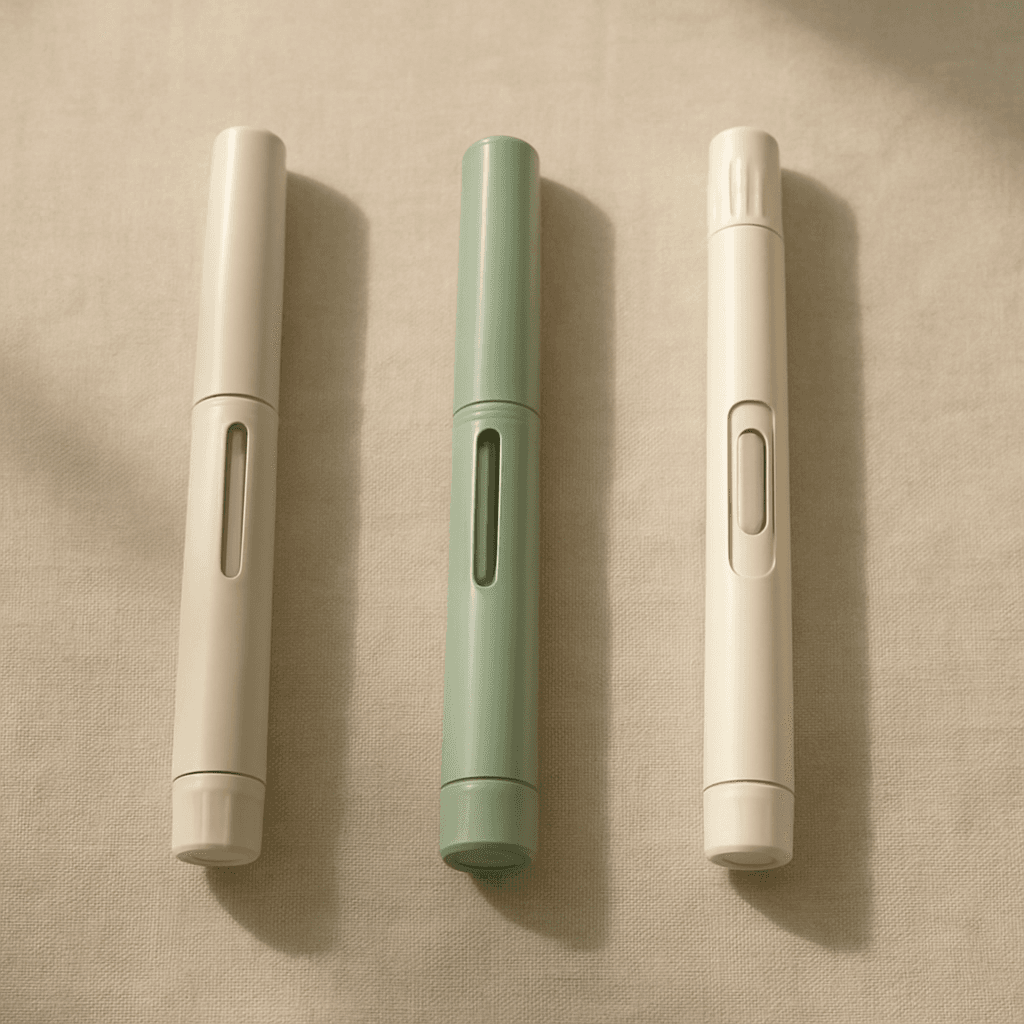
Retatrutide vs Ozempic and Mounjaro
Retatrutide is a triple agonist (GLP‑1, GIP and glucagon) and in trials achieves the largest weight losses (up to 24%), ahead of tirzepatide (Mounjaro, up to 22%) and semaglutide (Ozempic/Wegovy, around 15%). However, retatrutide is still experimental, while the other two are already approved and available on prescription in the UK.
Read article →Content reviewed by GMC-registered doctors
¿List@ para empezar?
Reserva tu primera valoración gratis. Si continúas, desde 139 €/mes sin permanencia, o pack de 5 meses por 449 €.
- Médicos colegiados de verdad
- 100% online, desde casa
- Sin compromiso ni permanencia